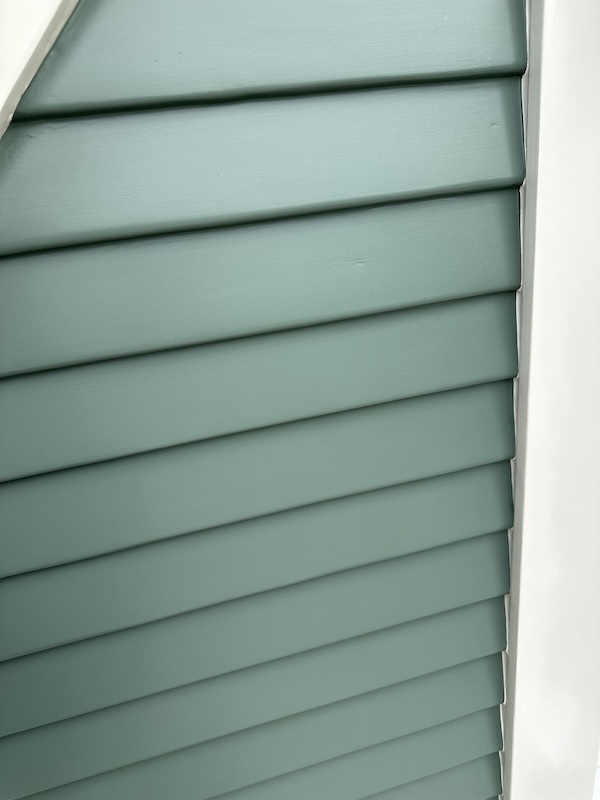

Restoration of a 110-year-old House in Pacific Grove, CA
It seems fitting that Billy Pemberton’s restoration of a 110-year-old house in Pacific Grove, California, would take place in a city nicknamed “Butterfly Town USA”. For the transformation of the house’s deteriorated exterior is not unlike a butterfly’s change from a motley cocoon to a beautiful sight to behold.
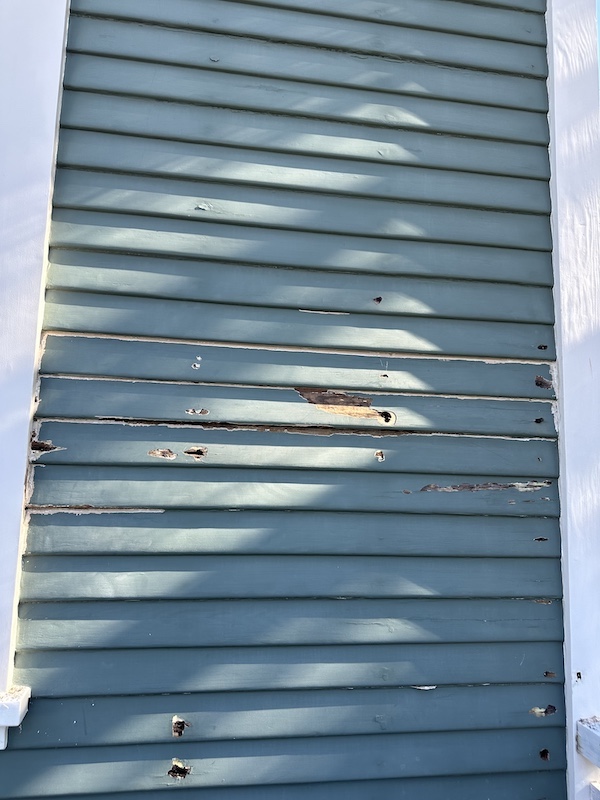
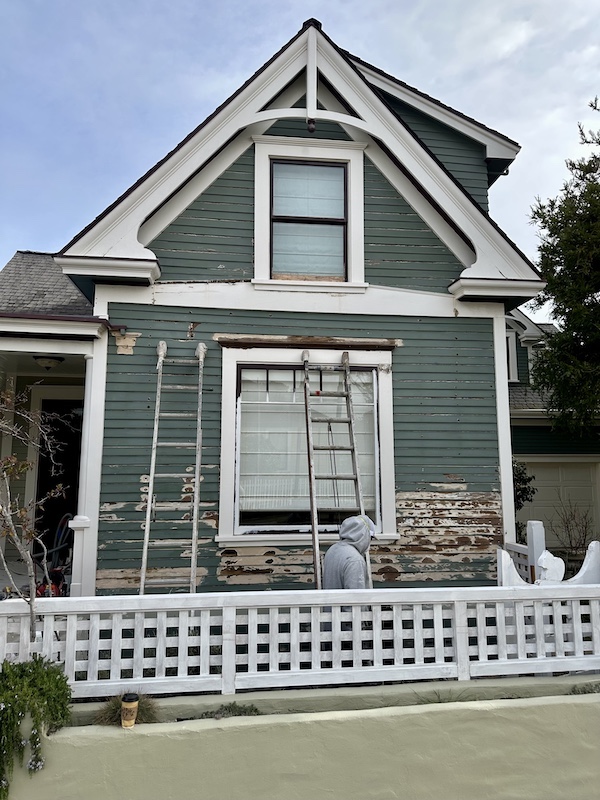
Built in 1915 of old-growth redwood, the house displayed the result of deferred maintenance with signs of dry rot, peeling paint, and failed caulking and filler. Many rusty nails were popping out of the wood but rather than removing them the owner preferred to just defend the nails from the moist coastal weather. The first part of the job involved the workers knocking out all the loose dry rot debris around the nails and in other parts of the shiplap siding. Then they removed most of the damaged paint and autobody filler using a paint shaver grinding tool and a combination of a chemical stripper and heat gun.
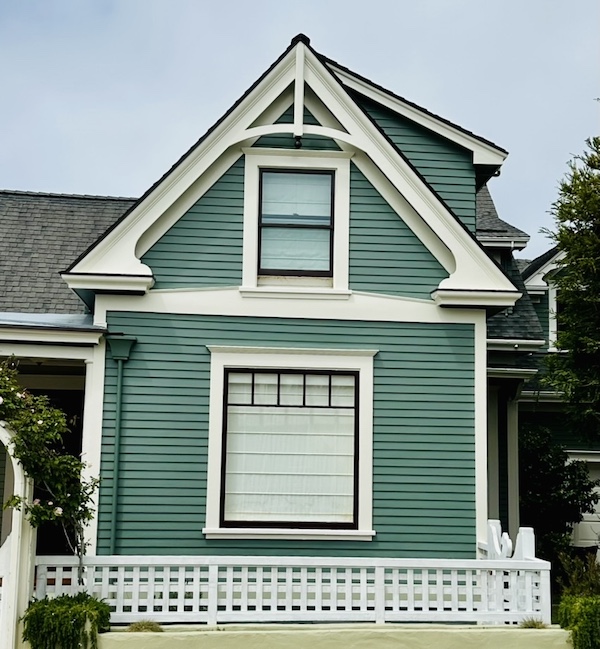
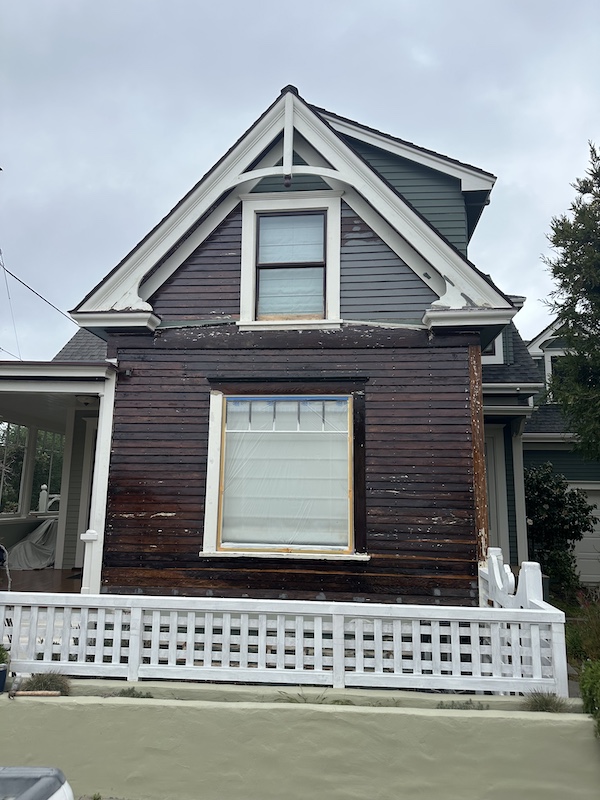
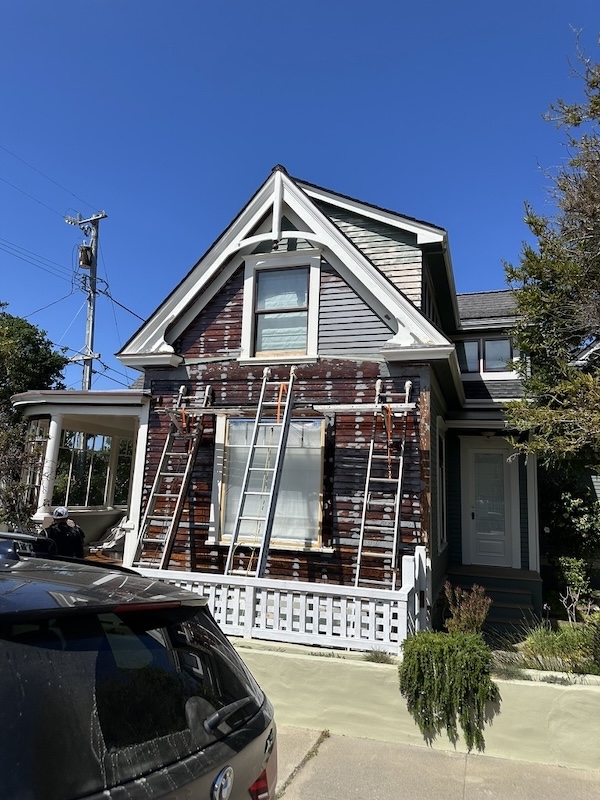
After a preliminary sanding to feather any remaining paint, a coat of Restore-Rite’s StrongBond Sealer was applied to the wood. Special attention was given to areas around the nails to make sure the epoxy would migrate into the wood fibers behind the nail heads to set them firmly in place. Next, they filled holes and other imperfections with StrongBond Filler, and a few hours later sanded it smooth. A second coat of Sealer was then applied to doubly ensure the rusty nails would stay set. The final steps involved an application of two coats of primer, caulking the cracks and seams, and applying two coats of ultra premium paint. The result? A picturesque finish to a beautiful restoration.
“In the short-term it cost more to do it this way, but long-term durability was the goal. We expect it to pay off in the long run,” Pemberton said. Meanwhile, all the history and charm of this classic house stands as testimony to the value of preserving old-growth wood.
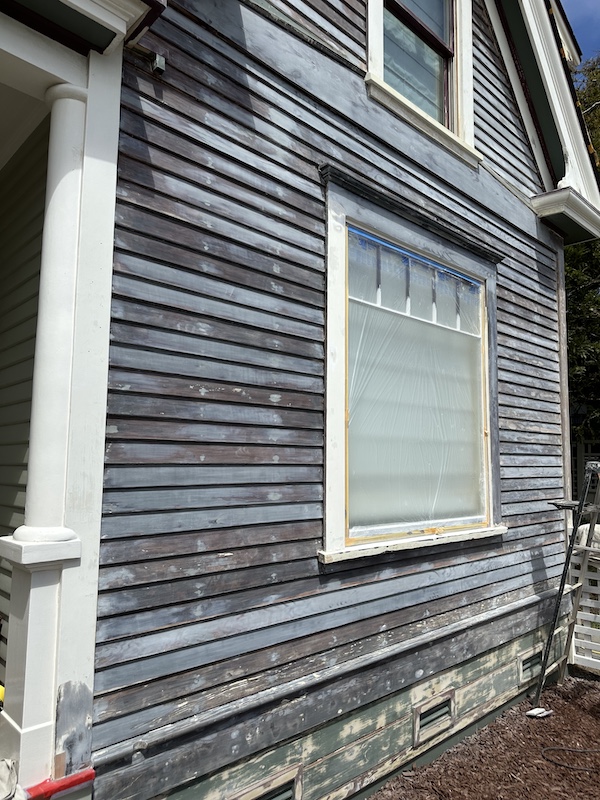
Before
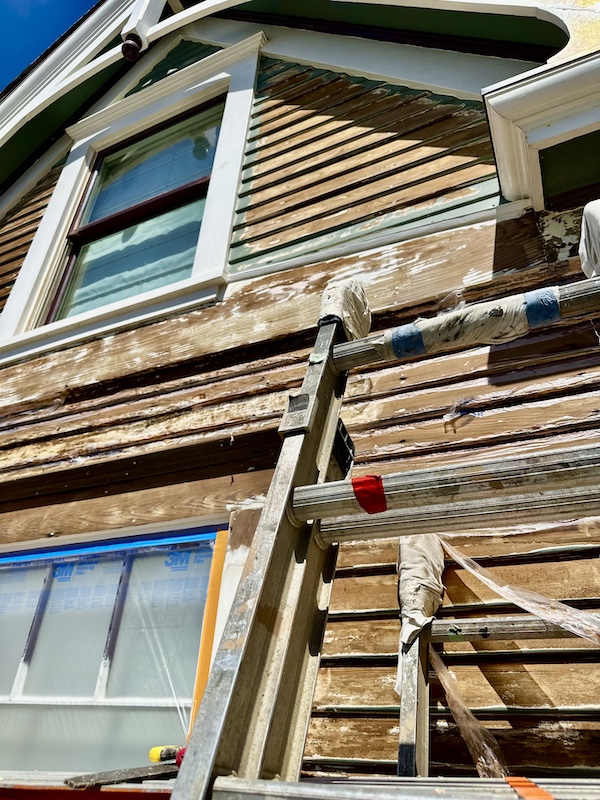
The dry-rotted, weathered wood is being prepared for an application of Sealer.
After
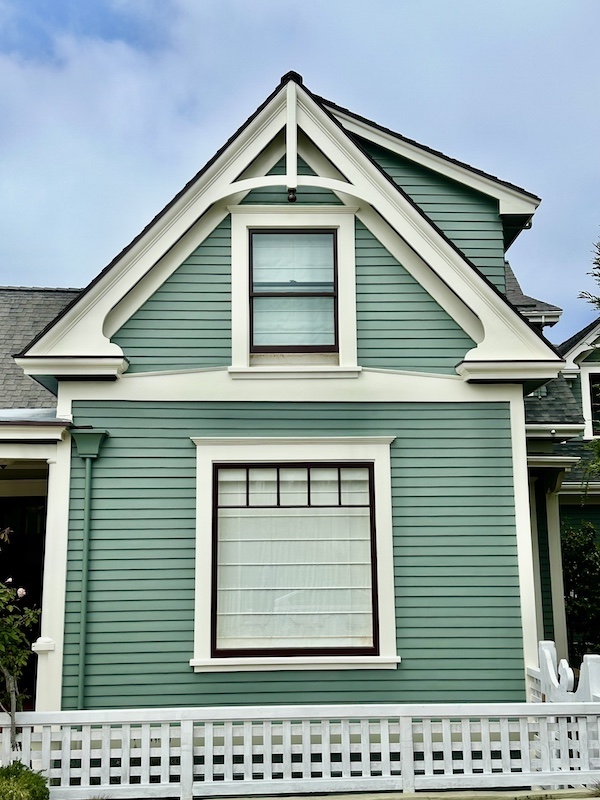
A picturesque finish to a job well done.
Project In Process:
01.
The old-growth wood in the house shows signs of dry rot, peeling paint, holes, and other damage.
.
02.
Old paint and autobody fillers were removed with a grinding tool, chemical stripper and heat gun.
.
03.
The Sealer stabilized and revitalized the wood’s structural strength, and created a bonding surface for the Filler.
.
04.
The Filler is ready to sand. The chemical bonding between the Filler and Sealer and the wood has formed a durable barrier against future damage.
05.
Any imperfections under the paint will show through and would be “no bueno” (no good)!
06.
StrongBond epoxies are a game changer when it comes to restoring rot-resistant old-growth wood.
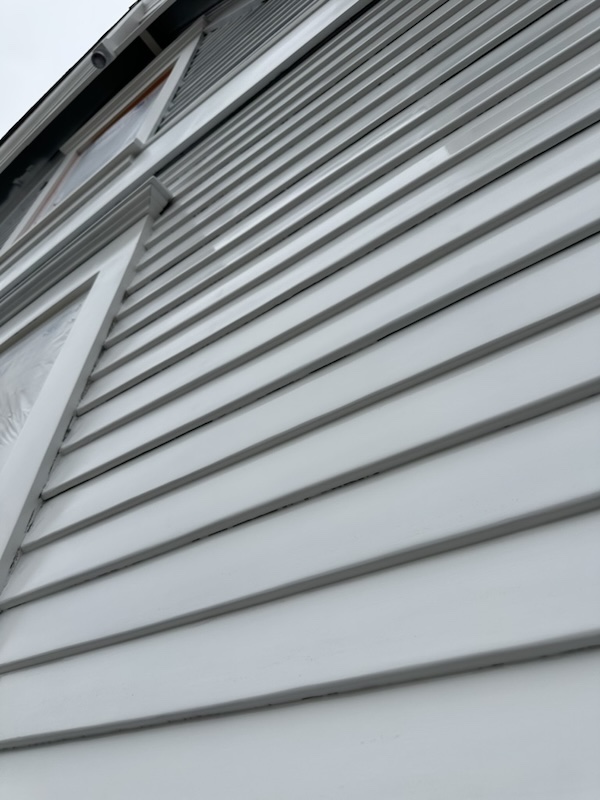
07.
This restored 110-year-old wood looks like new!
.